The Calm Exit Plan — Creating Your UK Household Evacuation System

When an evacuation hits the news, it looks distant — something happening elsewhere, to someone else.

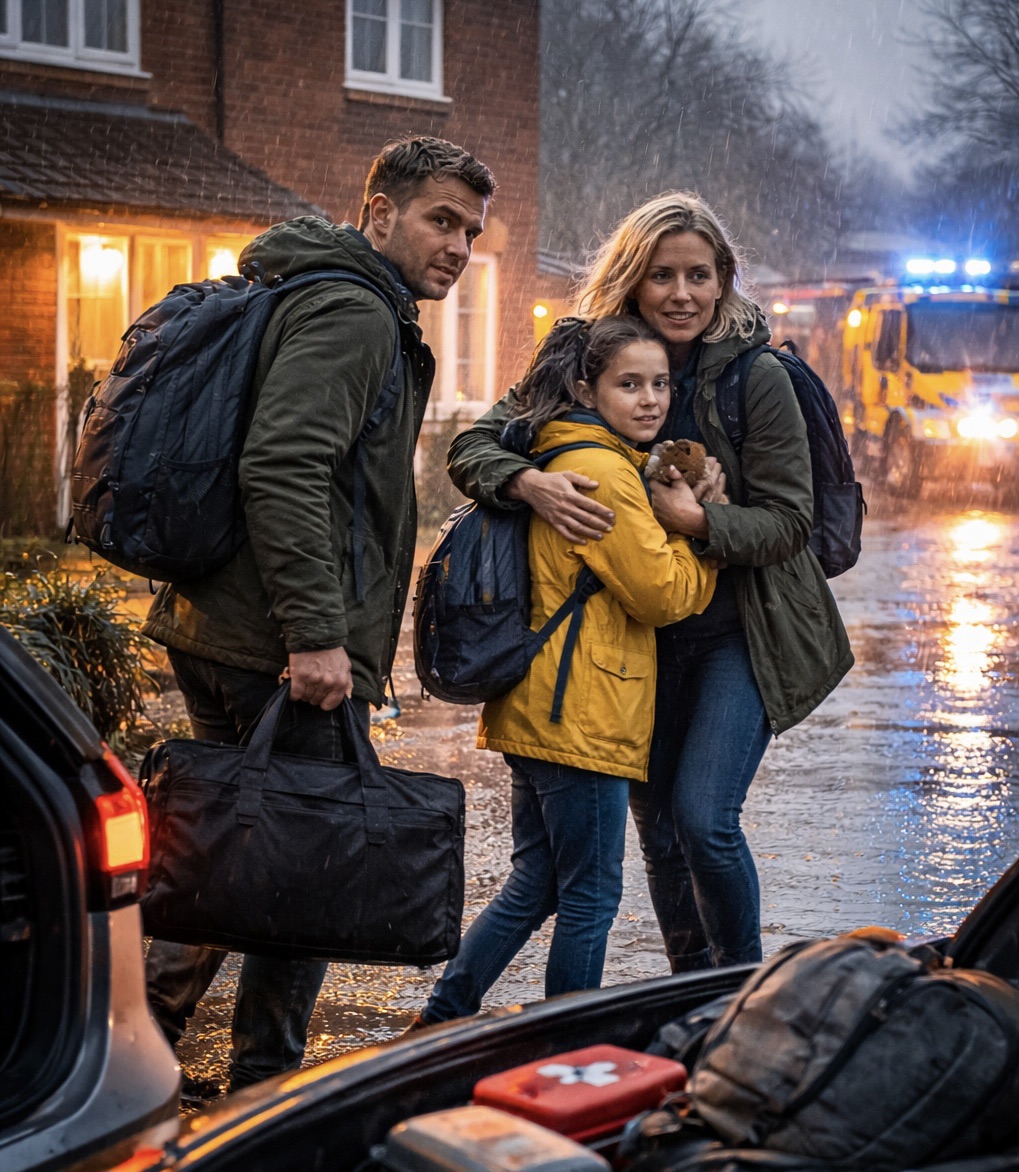
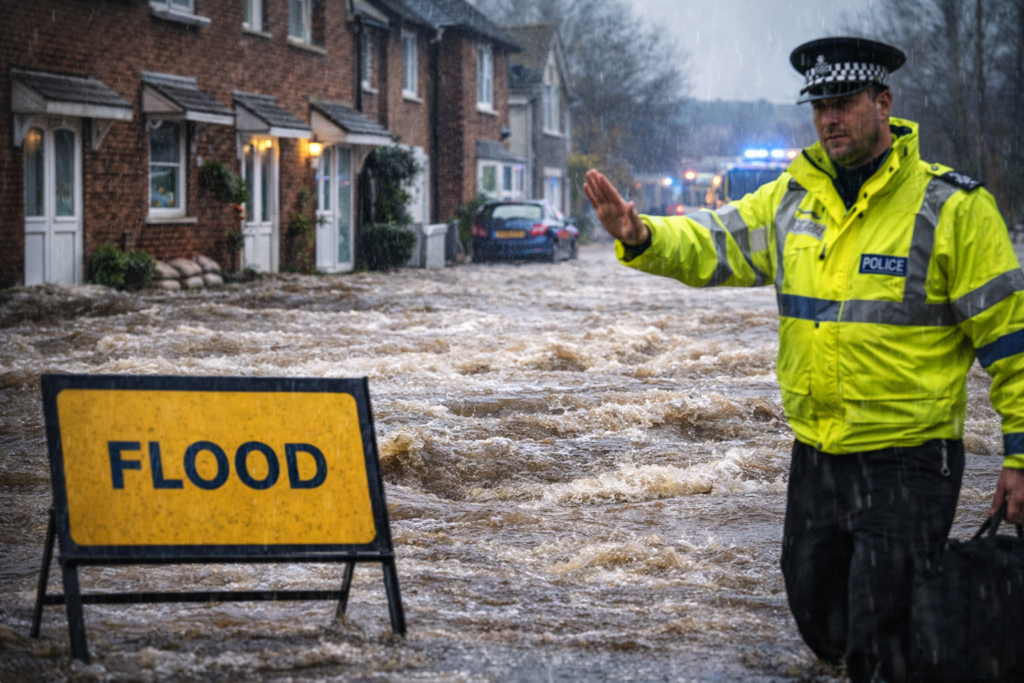
In reality, UK families are evacuated every week: overnight flooding, chemical leaks, building fires, gas issues, burst reservoirs, and coastal surges. Most people only get minutes of warning.

The difference between a calm exit and a chaotic one is simple: a plan you’ve already thought through.

This guide walks you through how to build a practical, realistic evacuation plan UK households can follow under pressure — clear steps, clear checklists, and a structure built for real life.

Why Every UK Home Needs an Evacuation Plan

You don’t need a dramatic disaster to be forced out of your home. The UK’s most common evacuation triggers are:

  • fast-rising floodwater
  • major power or heating loss
  • chemical spills or industrial fires
  • building or structural issues
  • police-led emergencies
  • severe storms causing localised damage

None of these give you much time.

A written evacuation plan UK means:

  • you know when to leave
  • you know where to go
  • you know what to take
  • you know who to notify
  • you don’t waste time deciding under stress

A plan doesn’t eliminate uncertainty — it removes the panic wrapped around it.
Evacuation vs Bug-Out Planning — What’s the Difference?

People often mix these up. You need both, but they aren’t the same.

Evacuation Plan

Written decisions and instructions:

  • when to leave
  • which routes to take
  • safe destinations
  • communication plan

Bug-Out Plan

Your physical items and supplies:

  • what each person takes
  • 72-hour essentials
  • documents, medication, ID
  • pet supplies
  • phone chargers, lighting, food

Together, they form the full VAULT9 Calm Exit System — mental clarity + physical readiness.

What to Include in Your Evacuation & Bug-Out Plan

A strong evacuation plan covers six key areas.

1. Decision Triggers — When to Leave

You need clear, pre-decided triggers.

Examples:

  • Environment Agency Flood Warning / Severe Flood Warning
  • Police or council evacuation instruction
  • Water reaching a set level on your street
  • Loss of power, heat, or water in unsafe conditions
  • Fire or smoke risk from nearby buildings

If you leave earlier, you avoid:

  • blocked roads
  • overwhelmed emergency services
  • rushed packing
  • unnecessary risk

“Wait and see” is the number one evacuation mistake.
2. Routes & Destinations

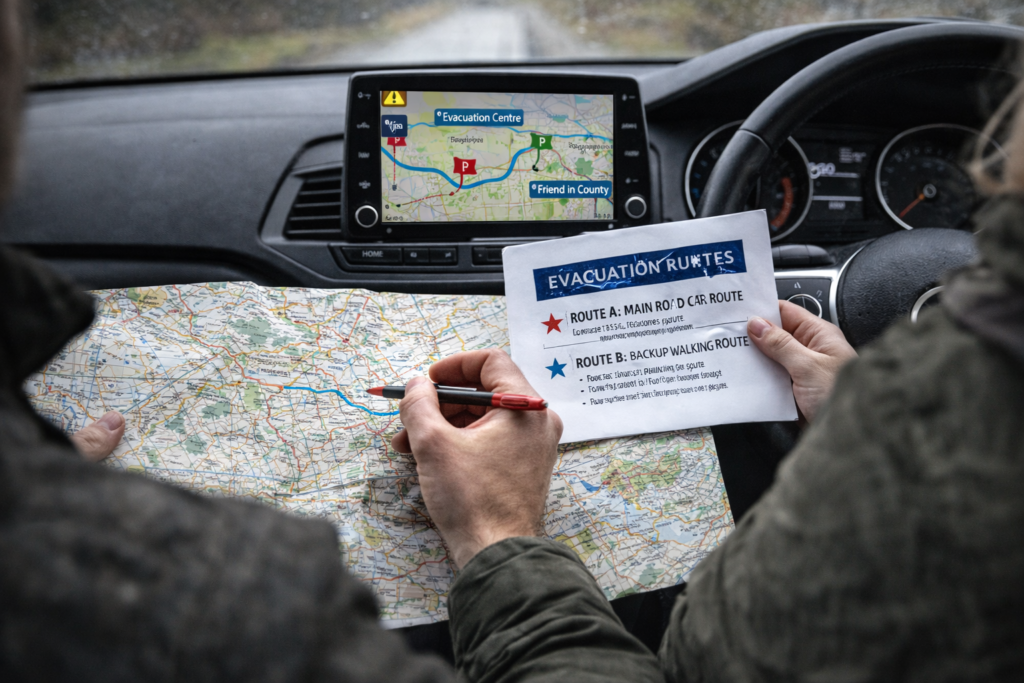
Plan two routes minimum:

  • Route A: primary road route (car)
  • Route B: alternative road or walking route

Your destinations should include:

  • nearest designated evacuation centre
  • a friend or family home 10–30 miles away
  • one out-of-area contact (for regional issues)
  • pet-friendly options (very easy to overlook)

Print maps.

GPS fails more often than people expect — power cuts, overloaded mobile networks, or water-damaged phones.

3. Communication Plan

Emergencies strain networks. Clarity matters.

Include:

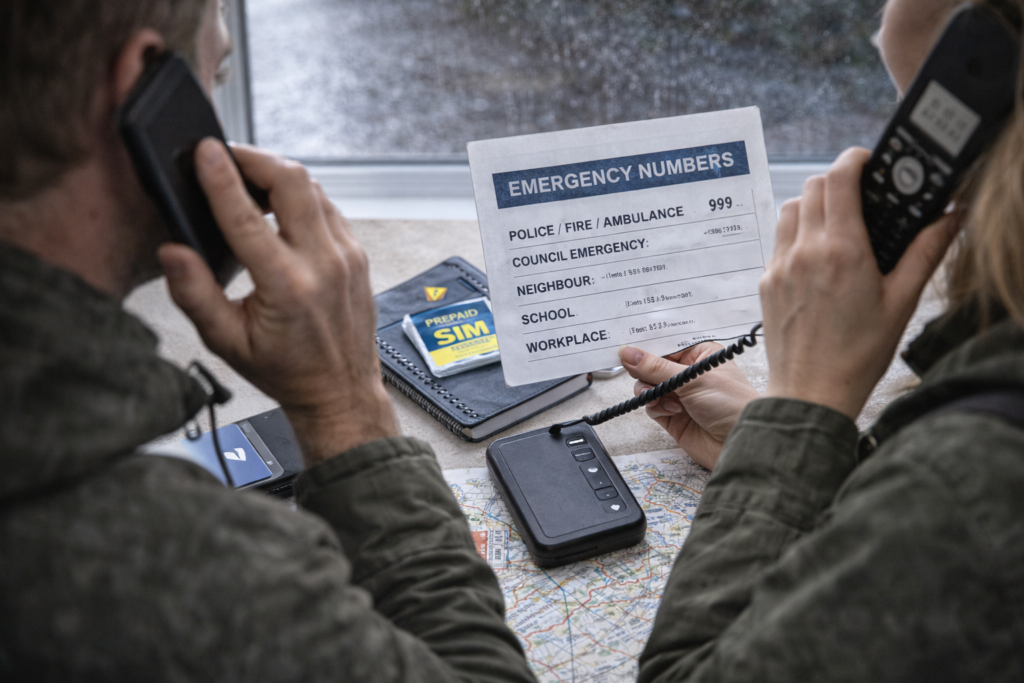
  • family and neighbour contact list
  • school, workplace, and council numbers
  • utility helplines
  • one “out-of-area” contact who relays updates
  • pre-paid SIM or spare phone if possible

Store:

  • multiple power banks
  • charging cables
  • a car charger
  • a paper copy of all phone numbers

If phones fail, your plan shouldn’t.

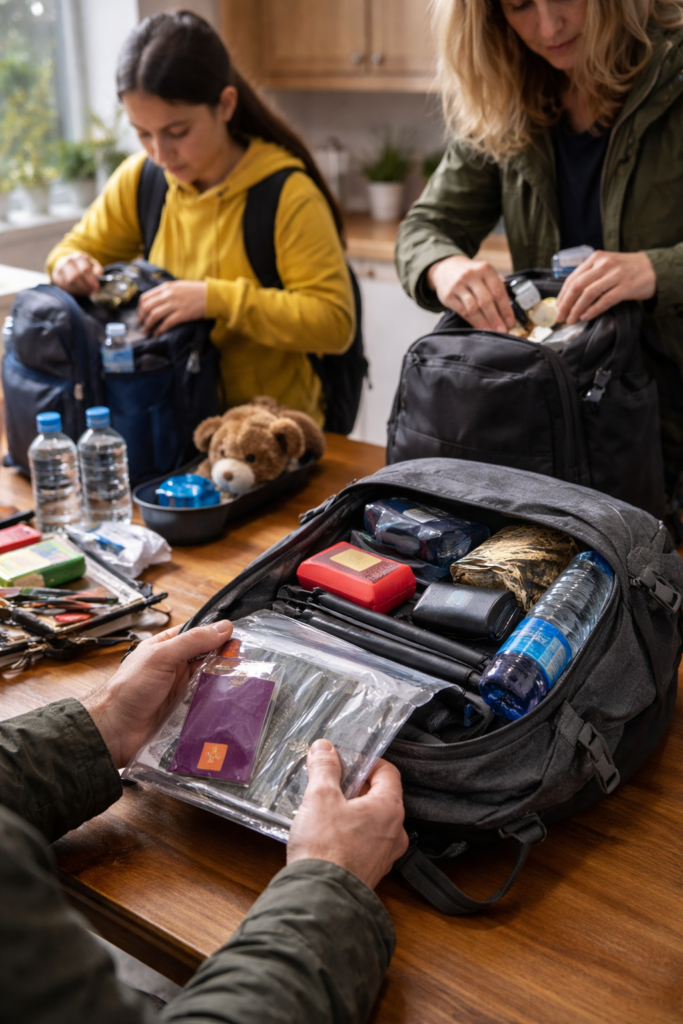
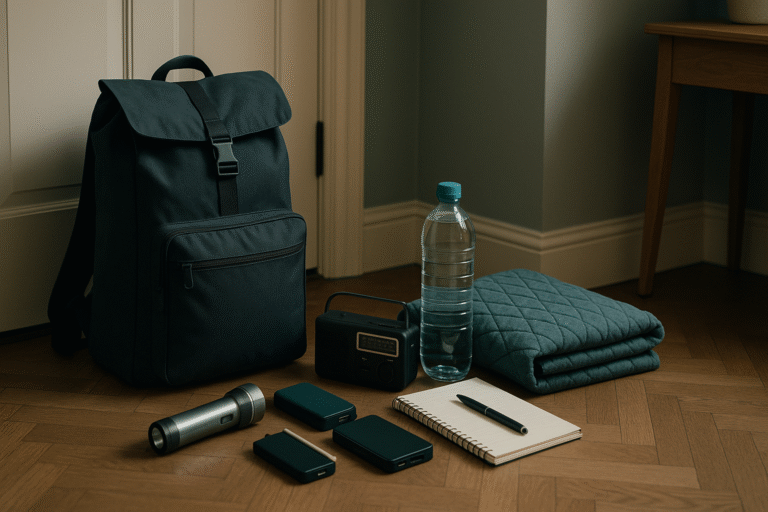
4. Grab-and-Go Supplies (Bug-Out Bags)

Each person needs their own small, lightweight bag.

The goal is mobility, not packing your entire life.

Include:

  • ID, cash, debit card
  • copies of insurance and key documents
  • water (minimum 1–2L)
  • food for 24–72 hours
  • torch + spare batteries
  • first aid kit
  • prescription medication (7-day supply)
  • warm layers
  • blanket, hat, gloves
  • hygiene items (wipes, toothbrush, tissues)
  • pet essentials: food, carrier, lead, meds

Rotate food, water, and medication every 6 months.

5. Vehicle & Transport Readiness

Your car can instantly become a heated shelter — if it’s ready.

Checklist:

  • keep fuel above half a tank
  • store a blanket, torch, water, hi-vis, scraper
  • keep a paper map in the glovebox
  • maintain tyre pressure
  • pack spare charging cables

If you don’t drive:

add taxi numbers, bus routes, and neighbours who can assist.
6. Return-Home Procedure

Once authorities declare your area safe:

  • check for structural damage
  • inspect electrics before switching on
  • avoid standing water (risk of contamination)
  • photograph everything for insurance
  • document losses immediately
  • check utilities before full re-entry

A calm return reduces hidden risks and smooths recovery.

How to Build It Step-by-Step

Step 1 — Identify Your Local Risks

Use:

  • GOV.UK Flood Map
  • Met Office local alerts
  • Council emergency planning pages

Know what’s likely in your postcode — not just the country.

Step 2 — Choose Safe Destinations

Pick:

  • 1 local
  • 1 regional
  • 1 out-of-area

Write full addresses + postcodes + phone numbers.

Step 3 — Map Your Routes

Highlight:

  • main route
  • backup route
  • any low bridges, flood-prone roads, or choke points

Step 4 — Build Your Bug-Out Bags

One per adult + one shared family bag if needed.

Step 5 — Document Clearly

Use your binder or a dedicated VAULT9 planner.

Step 6 — Practise

A 10-minute drill twice a year is enough.

The goal isn’t perfection — it’s muscle memory.

Common Mistakes to Avoid

Mistake

Fix

Waiting too long to leave

Set clear triggers and follow them.

Overpacking

Keep it lightweight — essentials only.

Relying on one route

Always have a backup.

Forgetting pets or medication

Include pets in every step.

Not telling anyone where you’re going

Notify your designated contact.

Preparedness needs to be simple enough to follow under pressure.

How the VAULT9 Evacuation & Bug-Out Planner Helps

If you want a structure that’s already organised for you, the VAULT9 Evacuation & Bug-Out Planner gives you a full, calm exit system.

You get:

  • complete printed templates
  • evacuation route logs
  • destination lists
  • 72-hour bug-out checklists
  • vehicle and pet readiness sections
  • return-home recovery sheets
  • integration with the Home Emergency Binder & 72-Hour Ready Plan

📘 Download the VAULT9 Evacuation & Bug-Out Planner →

Leave safely. Stay connected. Return prepared.

Getting Started — Take One Hour This Week

Choose one action:

  • write down your safe destinations
  • check your car kit
  • print your emergency contact list
  • pack the first essentials into a small bag

One hour now prevents panic later.

Preparedness isn’t fear — it’s future calm.

Prepared for Today. Protected for Tomorrow.

Evacuation planning isn’t extreme.

It’s practical peace of mind for ordinary UK families.

A written evacuation plan gives your household clarity when every second matters.

Prepared for today. Protected for tomorrow.