Physical Address
304 North Cardinal St.
Dorchester Center, MA 02124
Physical Address
304 North Cardinal St.
Dorchester Center, MA 02124

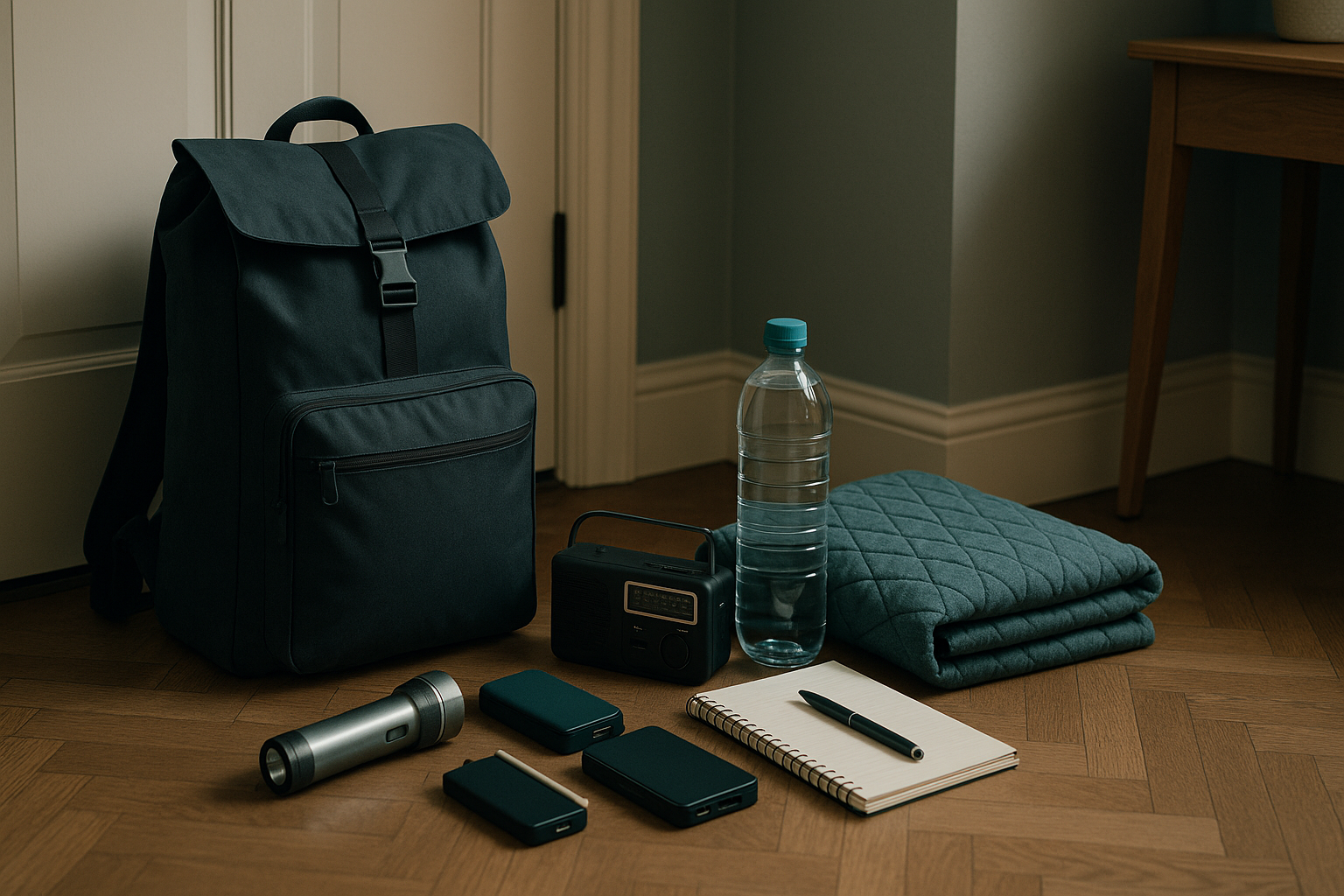
Imagine the power goes out on a winter evening. The street is dark, your phone’s nearly dead, and the heating’s off. Most people would panic — not because it’s catastrophic, but because it’s unexpected.
That’s exactly why every UK household needs a 72-hour planner: a clear, written plan for the first three days of disruption.
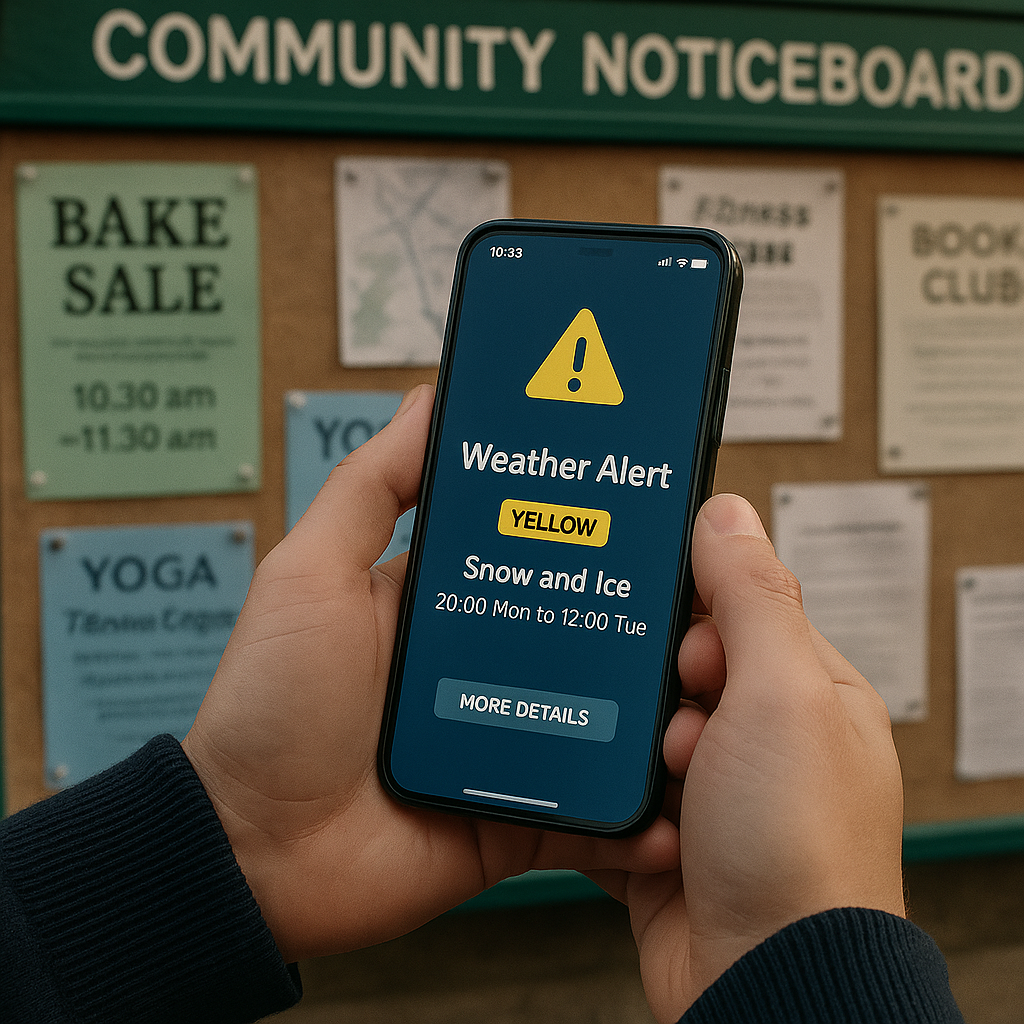
In the UK, most short-term emergencies — power cuts, snowstorms, burst pipes, rail strikes, or local flooding — can leave you cut off or restricted for up to three days.
A plan keeps you calm, focused, and safe until life returns to normal.
A 72-hour planner UK is a simple, structured guide to help you manage the first three days of any emergency — what to prepare, what to pack, and what to do step-by-step.
It outlines:
It’s your household’s quick-response playbook.
Emergency services and councils use the 72-hour window because it’s the critical period when help may be delayed.
Floods, storms, infrastructure failures, and transport disruption can all affect emergency response times and supply chains.
A prepared household can comfortably manage that gap.
That’s the core of UK resilience guidance — be able to manage independently for at least three days.
During a crisis, small decisions — finding torches, turning off gas, checking neighbours — can feel overwhelming.
A written 72-hour plan checklist UK removes guesswork and keeps everyone on track.
You won’t waste minutes searching for information or supplies.
You’ll know exactly where everything is — and what to do next.
Children, elderly relatives, and pets all have unique needs.
A 3-day emergency planner UK ensures medication, comfort items, and essentials aren’t overlooked.
Prepared households can support neighbours and reduce pressure on responders.
Resilience scales from individual → family → community.
Preparedness is practical peace of mind, not panic.
A strong planner covers three key areas: Information, Supplies, and Action.
Keep these details in your planner and a secure digital backup:
Stock enough for at least three days:
Outline tasks before, during, and after an emergency.
Before:
During:
After:
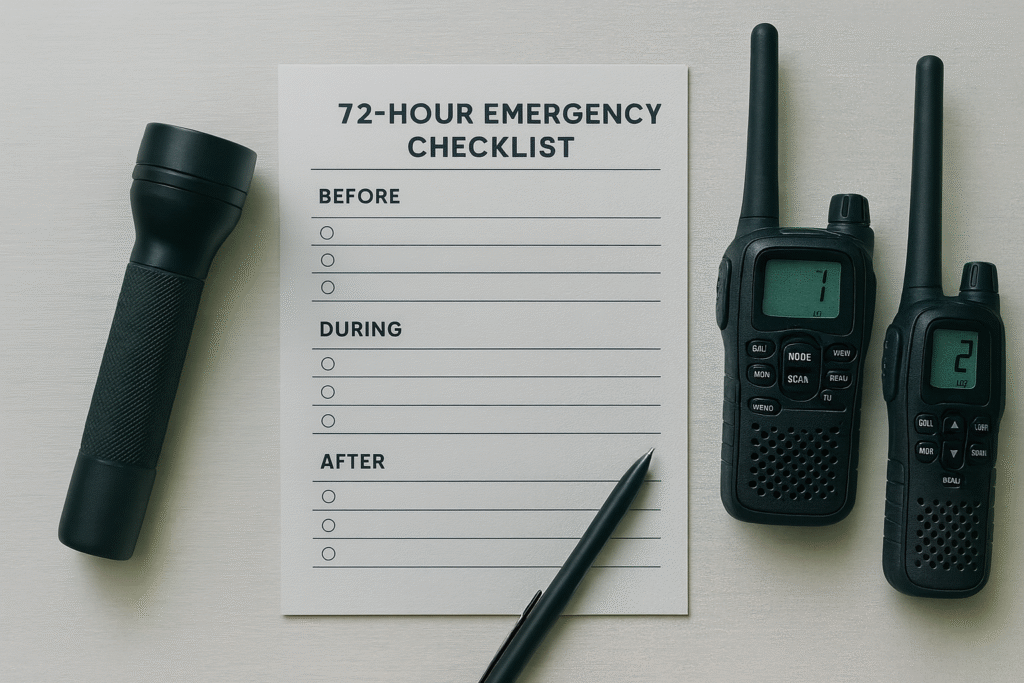
Think of it as your household’s emergency playbook — short, simple, and tailored to your life.
Even organised homes hit these pitfalls. Avoid:
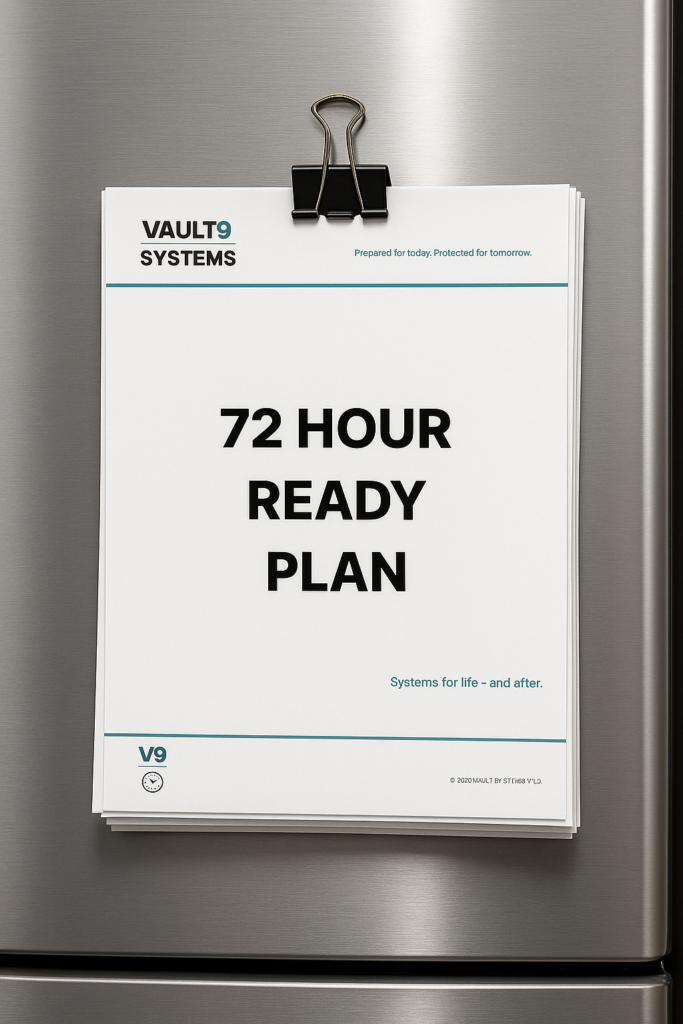
To make planning effortless, VAULT9 created the 72-Hour Ready Plan — a printable, step-by-step system built for UK households.
It includes:
You can complete it in under an hour — and know your household is covered.
Download the VAULT9 72-Hour Ready Plan →
Your calm, organised companion for the first three days of any emergency.
Emergencies don’t wait for the perfect moment.
Whether it’s a flood warning, a major power cut, or transport shutdown, a 72-hour planner gives you confidence and control.
Preparedness isn’t fear — it’s freedom through organisation.
Stay calm.
Stay capable.
Stay ready.